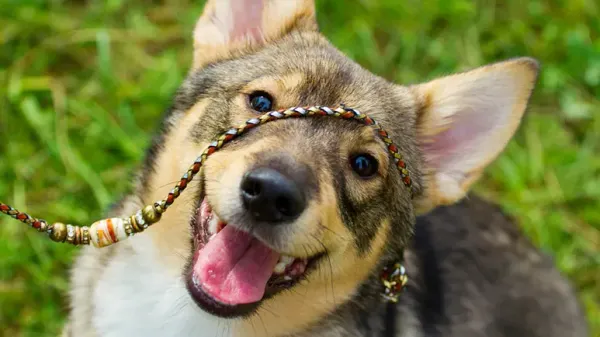
It's one of the dearest health godsends you could ever hope to enjoy, proven by over 3 million Swedes. It was especially important for one special group of people, for which it lowered death risk by an astounding 33%.
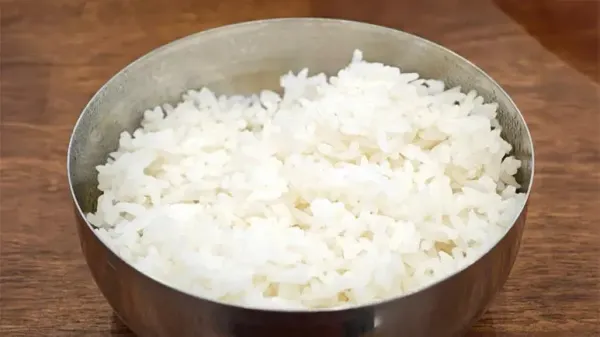
Fluffy, starchy, and compliments many dishes, this grain is a staple in many cuisines. Does it deserve a spot in your pet's meals, too? Read this article to find out.
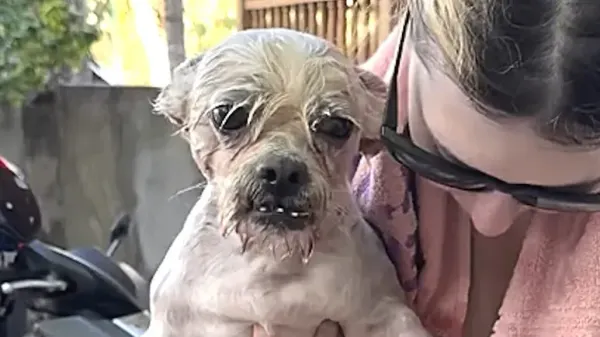
People overlooked her because of her appearance, but one student saw something everyone else missed — and gave an ‘unadoptable’ dog the life she deserved.
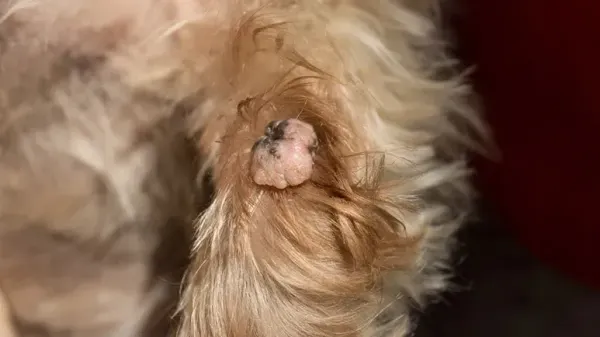
Veterinarians assume all dogs are at risk to the opportunistic virus that triggers these dreadfully ugly bumps. But it only wreaks its havoc on certain types of dogs. Why? Is yours one of them? If you act soon enough, you could prevent this calamity in the first place.
Sometimes a puppy's or kitten's baby tooth does not fall out like it should, and it can lead to bigger dental problems down the road. Learn about the signs, the breeds most at risk, and when it is best to see the vet.
A rescue pup who never wants to be left behind and a mysterious stray who spent more than a month surviving alone both prove how far dogs will go for love.
These popular pets are far less dependent on humans than most assume. Many could survive in the wild. Their bond with humans swings between cuddly companion and creature of the wild. Do they deserve the 'domestic' label?
For pet parents who want to skip the heavier chemicals or prescription medications, there is a whole toolkit of natural, integrative approaches that actually work when used as a coordinated plan across your yard, your home, and your pet.