Food Facts is a directory of foods for your pets. This destination provides you with valuable information about various types of foods for your pets, so you’ll know which ones are safe to add to their healthy, species-appropriate meals or treats.
This yellow citrus fruit is used in many culinary creations, but did you know you can use it for your pet's meals as well? Learn how to offer it to your pet here.
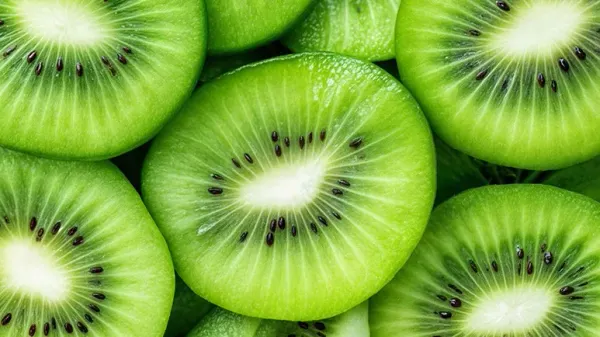
Packed full of nutrients like phytochemicals and vitamins C, K, and E, this brown, egg-shaped fruit offers more than meets the eye. Did you know it contains a special enzyme that may help with your pet's digestion, too?
When offered in the proper way (chopped in small pieces), this popular tree nut can add a crunchy texture and a healthy dose of phytochemicals to your pet’s snack time. Learn more about its benefits here.
They may look like giant raisins, but they're not; in fact, they can be safely shared with pets. Just make sure to give them in very small quantities, as they have high amounts of sugar.
A staple food to Native Americans, this tree nut also contains a diverse nutritional profile that might just be good for your pet, too. Find out how to properly serve it to your furry friend.
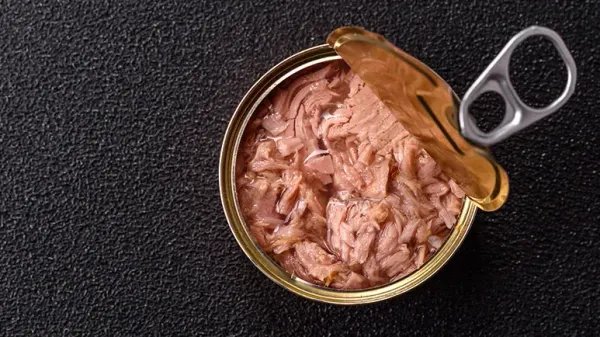
It may be loaded with omega-3s and other nutrients, but giving this food to your pet can cause unseen damage — it contains a toxin that accumulates in their body. Give your pets these safer options instead.
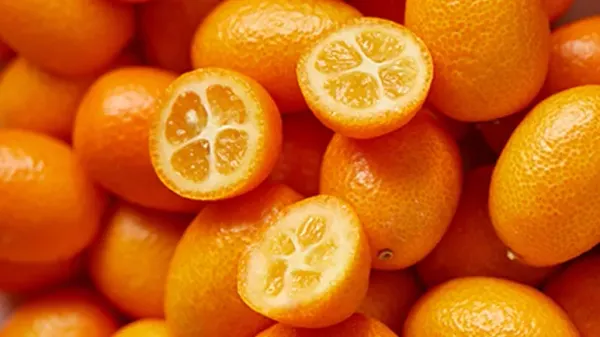
Feeding these small, sweet-sour fruits to your pet may help ward off chronic diseases and keep them from gaining unwanted pounds, but are they 100% OK for companion animals? Here's what you should know when sharing this food with them.
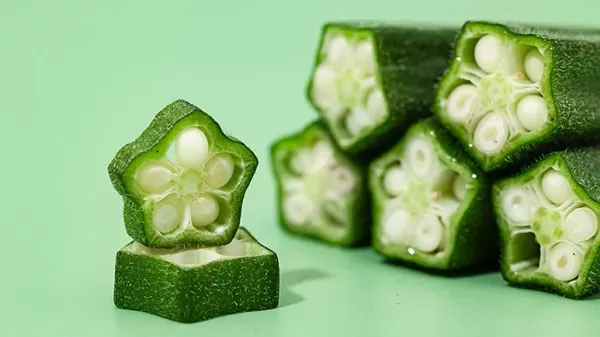
Valued for its diverse culinary applications, research shows this ancient veggie is rich in prebiotics and phenolic compounds that may benefit your pet's health.
A popular ingredient added to pastry, jams, and jellies, this sweet but slightly tart fruit will add color, flavor, and antioxidants to your pet's food bowl. Make sure to remove the pits before feeding!